
Destination

Destination

Rajahmundry

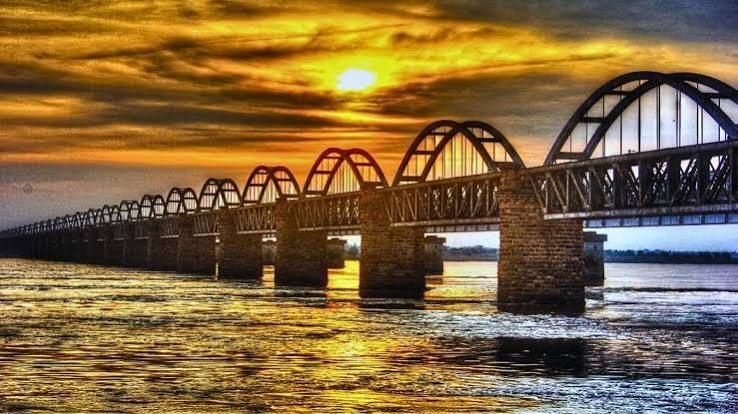
Rajahmundry Best Places to Visit in Rajahmundry (2026 Travel & Heritage Guide) Planning a voyage to Andhra Pradesh’s cultural capital? Explore the historic heart of the Godavari delta with our updated 2026 Rajahmundry (Rajamahendravaram) travel guide. We cover the timeless ghats along the sacred Godavari, iconic engineering bridges, riverside spiritual abodes, river cruises toward Papikondalu, transit advice, and ground tips to make your journey seamless and authentic. Set on the banks of the sacred Godavari River, Rajahmundry stands as the cultural and literary cradle of the Telugu language. From the sunset aarti reflections on Pushkar Ghat and the massive truss spans of the historic Godavari Bridge to the starting docks for deep-canyon boat journeys through Papikondalu, Rajahmundry serves as the essential gateway for exploring Konaseema and the Eastern Ghats river circuits. Use this guide to plan your riverbank darshans, bridge walks, and Godavari delta excursions. Rajahmundry Gateway: Distances Destination Distance from Rajahmundry Railway Station (RJY) Distance from Rajahmundry Airport (RJA) Best Time to Visit Pushkar Ghat & Godavari Riverfront ~2.0 km ~15 km Early Morning (5:30 AM – 7:30 AM) or Sunset Aarti (6:00 PM – 7:30 PM) Godavari Bridge & Arch Bridge Viewpoint ~2.5 km ~16 km Late Afternoon to Sunset (5:00 PM – 6:45 PM) ISKCON Temple (Gowthami Ghat) ~4.5 km ~14 km Morning (7:30 AM – 11:30 AM) or Evening Aarti (6:30 PM – 8:00 PM) Kotilingeshwara Swamy Temple ~2.0 km ~15 km Early Morning (6:00 AM – 9:00 AM) or Shivaratri Sir Arthur Cotton Museum & Dowleswaram Barrage ~8.5 km ~20 km Morning to Mid-Day (10:00 AM – 5:00 PM, Closed on Mondays) Rallabandi Subbarao Government Museum ~2.2 km ~14 km Day Hours (10:30 AM – 5:00 PM, Closed on Fridays) Kadiam Plant Nurseries (Excursion) ~14 km ~26 km Morning Hours (8:00 AM – 11:30 AM) Pattiseema (Sri Veerabhadra Swamy Temple) ~35 km ~46 km Morning Hours via scenic boat or road transfer (7:30 AM – 1:00 PM) Draksharamam Bhimeswara Swamy (Pancharama) ~42 km ~53 km Morning Darshan (6:30 AM – 11:30 AM) Papikondalu River Cruise Docks (Purushothapatnam/Gandipochamma) ~35 km to boat point ~48 km to boat point Full Day Tour (Starts early morning 7:00 AM – 6:30 PM)   By Train: Rajahmundry Railway Station (RJY) is a major A-category junction on the Vijayawada–Visakhapatnam section of the Howrah–Chennai main line. Direct superfast and Vande Bharat expresses connect the city daily to Hyderabad, Visakhapatnam, Vijayawada, Chennai, Bengaluru, and Kolkata. By Flight: Rajahmundry Airport (RJA) at Madhurapudi operates regular daily domestic flights from Hyderabad, Bengaluru, and Chennai. Dedicated prepaid taxis and local auto-rickshaws connect the terminal to the main city center in about 25 to 30 minutes via NH 516E. By Road: Rajahmundry is linked directly to the national highway grid via NH 16 (Asian Highway 45 / Golden Quadrilateral). It is an easy 3-hour drive (~150 km) from Vijayawada, 4 hours (~190 km) from Visakhapatnam, and roughly 7.5 to 8 hours from Hyderabad via Suryapet and Eluru. Local Tip: When in Rajahmundry, do not miss tasting authentic Pootharekulu (paper-thin sweet rolls filled with jaggery/sugar and ghee) and traditional Madatha Kaja. In the evening along the riverfront or near Kotipalli Bus Stand, try the fiery local street snack Muntha Masala (puffed rice tossed with roasted peanuts, raw onions, lemon, and spicy green chili paste). Top Rajahmundry Highlights Pushkar Ghat & Godavari Riverfront View More The Godavari Bridges View More Dowleswaram Barrage & Sir Arthur Cotton Museum View More ISKCON Temple View More Kotilingeshwara Temple View More Pattiseema View More Papikondalu Scenic River Cruise: View More Rallabandi Subbarao Archaeological Museum View More Kadiam Flower & Plant Nurseries View More Draksharamam (Pancharama Kshetra) View More FAQ Frequently Asked Questions How many days are needed to explore Rajahmundry? 2 to 3 days are ideal. Day 1 can be dedicated to city riverside heritage: Pushkar Ghat, Kotilingeshwara Temple, ISKCON Gowthami Ghat, and sunset views at the Godavari Arch Bridge. Day 2 is best spent taking the full-day Papikondalu boat cruise down the Godavari gorges. Day 3 can cover Dowleswaram Barrage, Cotton Museum, Kadiam nurseries, or a pilgrimage day-trip to Draksharamam. Are river boat cruises to Papikondalu operating from Rajahmundry? Yes, organized day packages operate regularly from Rajahmundry. Tour operators pick up passengers early in the morning by road to transport them to upstream boarding points (such as Gandi Pochamma / Purushothapatnam boat docks), from where mechanized double-decker cruise boats sail through the scenic river canyon before returning by evening. What is the best season to plan a Rajahmundry trip? October through February is the most pleasant season, with moderate daytime temperatures (20°C to 30°C) and calm river currents suitable for boating. Summer months from March to June bring severe humid heat, while the peak monsoon season (July to September) often sees heavy flood inflows in the Godavari, which can temporarily halt tourist boat services. Can pilgrims take a holy dip in the Godavari at Pushkar Ghat? Yes, Pushkar Ghat is designed with broad, secure steps, non-slip platforms, and safety railings specifically for pilgrims taking a holy bath (Pushkara Snanam). Visitors should remain within the designated shallow barriers and avoid venturing into the deeper river channels where currents run strong.
Destination

Visakhapatnam

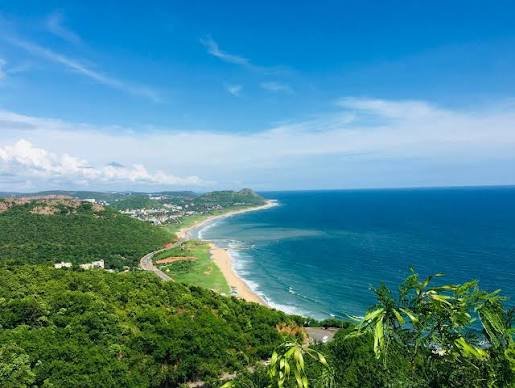
Visakhapatnam Best Places to Visit in Visakhapatnam (2026 Travel & Coastal Guide) Planning a getaway to the “City of Destiny”? Explore Andhra Pradesh’s premier port and coastal metropolis with our updated 2026 Visakhapatnam (Vizag) travel guide. We cover the famous sea promenades along the Bay of Bengal, maritime naval museums, ancient Buddhist monastery ruins, mountain excursions into the Eastern Ghats, transit logistics, and ground tips to make your tour smooth and memorable. Where the green ridges of the Eastern Ghats plunge directly into the Bay of Bengal, Visakhapatnam blends deep naval heritage with scenic coastal roads and untouched hill valleys. From the historical chambers of the decommissioned INS Kursura Submarine on RK Beach to the breezy viewpoints of Kailasagiri Hill and the sacred hilltop shrines of Simhachalam, Vizag acts as the starting anchor for every North Coastal Andhra circuit. Use this guide to plan your coastal drives, temple darshans, and hill excursions. Visakhapatnam Gateway: Distances Destination Distance from Visakhapatnam Junction (VSKP) Distance from Visakhapatnam Airport (VTZ) Best Time to Visit Ramakrishna (RK) Beach Promenade ~4.5 km ~14 km Sunrise (5:30 AM – 7:30 AM) or Evening (5:00 PM – 8:30 PM) INS Kursura Submarine Museum ~5.0 km ~15 km Afternoon to Evening (2:00 PM – 8:30 PM, Closed on Mondays) TU 142 Aircraft Museum ~5.0 km ~15 km Afternoon to Evening (2:00 PM – 8:30 PM) Kailasagiri Hilltop Park ~10 km ~19 km Late Afternoon / Sunset (3:30 PM – 7:00 PM) Rushikonda Beach (Blue Flag) ~14 km ~23 km Morning (7:00 AM – 10:30 AM) or Late Afternoon Sri Varaha Lakshmi Narasimha Temple (Simhachalam) ~16 km ~12 km Early Morning (7:00 AM – 11:30 AM) or Evening Thotlakonda & Bavikonda Buddhist Complexes ~18 km ~27 km Morning Hours (8:30 AM – 11:30 AM) Yarada Beach & Dolphin’s Nose Lighthouse ~18 km ~20 km Morning to Mid-Afternoon (3:00 PM – 5:30 PM for Lighthouse) Bheemunipatnam (Bheemili Beach & Dutch Fort) ~30 km ~39 km Late Afternoon (3:30 PM – 6:30 PM) Borra Caves & Araku Valley (Excursion) ~90 km (Caves) / ~115 km (Araku) ~92 km / ~112 km Full Day Trip / Overnight (Early Morning Vistadome Train)   By Train: Visakhapatnam Junction (VSKP) is a primary A1 station on the Chennai–Howrah main line with high-speed connectivity to Hyderabad, Kolkata, Chennai, Bengaluru, and New Delhi. The iconic Vistadome morning express also departs from here, taking travelers through 58 mountain tunnels up into Araku Valley. By Flight: Visakhapatnam International Airport (VTZ) operates daily nonstop domestic flights from major metros like Mumbai, Delhi, Hyderabad, Bengaluru, and Chennai, alongside select international connections. App-based cabs (Ola/Uber) and prepaid taxi counters are located right outside the arrival lounge. By Road: Vizag is positioned directly on National Highway 16 (NH 16 / Golden Quadrilateral). The iconic Beach Road running from RK Beach past Rushikonda all the way to Bheemili offers one of India’s most scenic coastal drives. Local Tip: Take the 25-minute scenic coastal drive from Rushikonda to Bheemunipatnam (Bheemili) along the marine highway before sunset. Stop at the local beachfront stalls along RK Beach for fresh steamed sweet corn, local roasted peanuts, and spicy Andhra muri mixture (puffed rice tossed with lemon, green chilies, and peanuts). Top Visakhapatnam Highlights Ramakrishna (RK) Beach View More INS Kursura Submarine Museum View More Kailasagiri Hill Park View More Rushikonda Beach View More Sri Varaha Lakshmi Narasimha Temple View More TU 142 Aircraft Museum View More Thotlakonda Buddhist Complex View More Yarada Beach & Dolphin’s Nose: View More Bheemunipatnam View More Borra Caves & Araku Valley View More FAQ Frequently Asked Questions How many days are needed to explore Visakhapatnam? 3 full days are ideal. Allocate Day 1 for urban city coastal sights (RK Beach, INS Kursura, TU 142 Museum, and Kailasagiri). Spend Day 2 exploring North Coastal heritage (Simhachalam Temple, Rushikonda Beach, Thotlakonda, and the scenic drive to Bheemili). Dedicate Day 3 to the Araku Valley day trip via the Vistadome train to tour Borra Caves, coffee estates, and Chapaparai waterfalls. What is the best season to plan a Visakhapatnam trip? October through March is the most comfortable season, with pleasant sea breezes and daytime temperatures ranging between 20°C and 29°C. The summer months from April to June are humid and warm, while the monsoon months from July to September bring lush green hills but occasionally choppy waters along the coast. Can you take a bath or swim at RK Beach? No, swimming at RK Beach is dangerous due to steep sea-bed drop-offs, sharp hidden rocks, and powerful undercurrents. For safe swimming, watersports, and certified lifeguard zones, head north to the calm, shallow waters of Rushikonda Beach. How do I experience the Vistadome train to Araku Valley? Book tickets for the Visakhapatnam–Kirandul Passenger (Train 58501 / Special) well in advance through the IRCTC portal. The train features glass-domed ceilings and large observation windows that offer spectacular views as the route climbs through the Eastern Ghats and across bridge viaducts into Borra Caves and Araku.

Destination

Tirupati

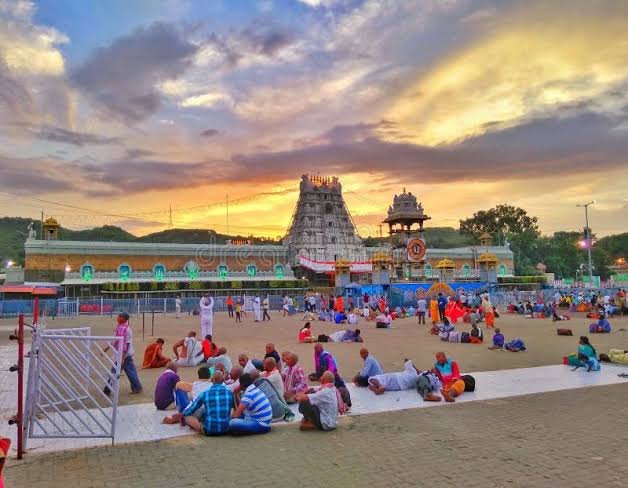
Tirupati Best Places to Visit in Tirupati (2026 Travel & Heritage Guide) Planning a spiritual journey to Andhra Pradesh’s divine gateway? Explore the sacred threshold of the Eastern Ghats with our updated 2026 Tirupati travel guide. We cover the ancient shrines of Tirupati and Tirumala, foothills heritage temples, natural waterfalls, transit logistics, and ground tips to make your pilgrimage seamless and spiritually fulfilling. Perched at the base of the Seshachalam Hills, Tirupati stands as one of the world’s most revered pilgrimage centers. While millions journey here to ascend the sacred seven peaks of Tirumala for the darshan of Lord Sri Venkateswara Swamy, the foothill town itself holds centuries of rich temple traditions, Vijayanagara-era stone architecture, and serene hillside waterfalls. From the peaceful steps of Kapila Theertham to the bustling shrines of Tiruchanur and Govindaraja Swamy, Tirupati serves as the primary anchor for every South Andhra tour circuit. Use this guide to plan your temple darshans, ghat road travel, and local heritage itinerary. Tirupati Gateway: Distances Destination Distance from Tirupati Main Railway Station (TPTY) Distance from Tirupati Airport (TIR) Best Time to Visit Sri Venkateswara Swamy Temple (Tirumala) ~22 km ~38 km Pre-booked Special Entry Darshan slot (Early Morning / Evening) Sri Padmavathi Ammavari Temple (Tiruchanur) ~5.0 km ~13 km Morning (7:00 AM – 11:30 AM) or Evening (5:00 PM – 8:00 PM) Sri Govindaraja Swamy Temple ~0.5 km ~15 km Early Morning Suprabhata Seva (5:00 AM) or Post-Noon Sri Kapileswara Swamy Temple (Kapila Theertham) ~3.5 km ~18 km Sunrise (6:00 AM – 8:30 AM) or Monsoons ISKCON Temple (Lotus Temple) ~4.5 km ~18 km Evening Aarti & Lightings (6:30 PM – 8:15 PM) Sri Kodandarama Swamy Temple ~2.0 km ~15 km Morning (6:30 AM – 10:30 AM) Chandragiri Fort & Palaces ~14 km ~28 km Afternoon to Sunset (2:30 PM – 6:30 PM for Light & Sound Show) Sri Kalyana Venkateswara Temple (Srinivasa Mangapuram) ~12 km ~26 km Morning (8:00 AM – 11:30 AM) Silathoranam & S.V. Zoological Park ~24 km (Tirumala) / ~7 km (Zoo) ~40 km / ~21 km Daytime (9:00 AM – 4:30 PM) Talakona Waterfalls (Excursion) ~48 km ~62 km Full Day Trip (Post-Monsoon: October to February)   By Train: Tirupati Main (TPTY) and Renigunta Junction (RU) are major rail gateways connecting directly to Chennai, Bengaluru, Hyderabad, Mumbai, and Delhi. Local RTC shuttle buses and battery-operated autos run 24/7 between Renigunta, Tirupati town, and the Alipiri bus terminus. By Flight: Tirupati Airport (TIR) at Renigunta handles daily domestic connections from Hyderabad, Bengaluru, Chennai, and New Delhi. Dedicated pre-paid taxi booths and TTD electric buses connect the airport terminal to central Tirupati in under 25–30 minutes via the newly widened highway corridor. By Road: Tirupati has exceptional four-lane road connectivity via NH 716 and NH 140. It is a smooth 3-hour drive (~135 km) from Chennai, roughly 4.5 hours (~250 km) from Bengaluru, and around 8 hours from Hyderabad. For the ascent from Alipiri to Tirumala, state-operated APSRTC electric and diesel ghat buses run every 2 minutes round-the-clock. Local Tip: Before ascending the ghat road to Tirumala, tradition recommends completing darshan at Sri Padmavathi Ammavari Temple in Tiruchanur and Sri Kapileswara Swamy Temple at Kapila Theertham. If you are climbing by foot via the traditional Sopanamarga (Alipiri or Srivari Mettu), begin before 5:00 AM to avoid the afternoon heat on the stone steps. Top Tirupati Highlights Sri Venkateswara Swamy Temple View More Sri Padmavathi Ammavari Temple View More Sri Govindaraja Swamy Temple View More Sri Kapileswara Swamy Temple View More Chandragiri Fort & Raja Mahal View More Sri Kalyana Venkateswara Swamy Temple View More Silathoranam (Natural Rock Arch ) View More Sri Venkateswara Zoological Park View More Sri Kodandarama Swamy Temple: View More Talakona Waterfalls View More FAQ Frequently Asked Questions How many days are needed to explore Tirupati and Tirumala? 2 full days are ideal. Allocate Day 1 primarily for Tirumala (ghat transit, reporting for Special Entry Darshan, visiting Silathoranam, and collecting Srivari Laddu Prasadam). Dedicate Day 2 to foothill heritage: Tiruchanur Padmavathi Temple, Govindaraja Swamy Temple, Kapila Theertham, and an afternoon excursion to Chandragiri Fort. What is the best season to plan a Tirupati trip? September through February offers pleasant weather with cool morning temperatures (18°C to 28°C), making the uphill climb, footpaths, and queue complexes comfortable. The summer months from April to June are intensely hot, with temperatures often surpassing 40°C in the foothills. How do I obtain confirmed darshan tickets for Tirumala? Book the ₹300 Special Entry Darshan (SED) tickets online directly through the official TTD portal (tirupatibalaji.ap.gov.in) or the TTDevasthanams mobile app. Quotas are released online 2 to 3 months in advance. Alternatively, travelers without online passes can obtain offline Slotted Sarva Darshan (SSD) tokens at free counter locations across Tirupati railway station and bus stands. What is the dress code for Tirupati and Tirumala temples? Traditional dress code is strictly enforced by TTD at all queue lines and inner sanctums. Men must wear a white dhoti (panche) or pyjama with an upper cloth (angavastram) or a traditional kurta/shirt. Women must wear a saree, half-saree with blouse, or a modest churidar/salwar-kameez with a securely pinned dupatta. Western clothes (jeans, shorts, T-shirts, sleeveless tops) are strictly prohibited inside the darshan lines.

Scroll to Top